

A Spiritual Journey Across Pakistan-Darshan, Pujan, Snan and Historical Exploration
By Pradeep Khanal
19 June 2024 – 28 June 2024



Pakistan is a land of immense historical, cultural, and spiritual significance. Long before modern political boundaries emerged, this region was home to ancient Hindu, Buddhist, and Sikh civilizations. The sacred rivers, temples, Gurudwaras, and centers of learning spread across present-day Pakistan continue to preserve the shared heritage of South Asia.
From 19 June 2024 to 28 June 2024, I undertook a remarkable pilgrimage across Pakistan. This journey was not merely a religious tour but a profound spiritual experience involving Darshan, Pujan, Snan, historical exploration, and cultural understanding. During these ten days, I visited some of the most sacred Hindu temples, revered Sikh Gurudwaras, holy Kunds, and the ancient Taxila University, one of the world’s oldest centers of learning.
The journey became even more memorable because my birthday, 26 June, was celebrated at the birthplace of Guru Nanak Dev Ji in Nankana Sahib, a blessing that I consider one of the greatest fortunes of my life.
Beginning the Journey in Karachi
My pilgrimage began in Karachi, Pakistan’s largest city and the country’s economic center. Karachi is also home to several important Hindu temples that have survived through centuries of history.
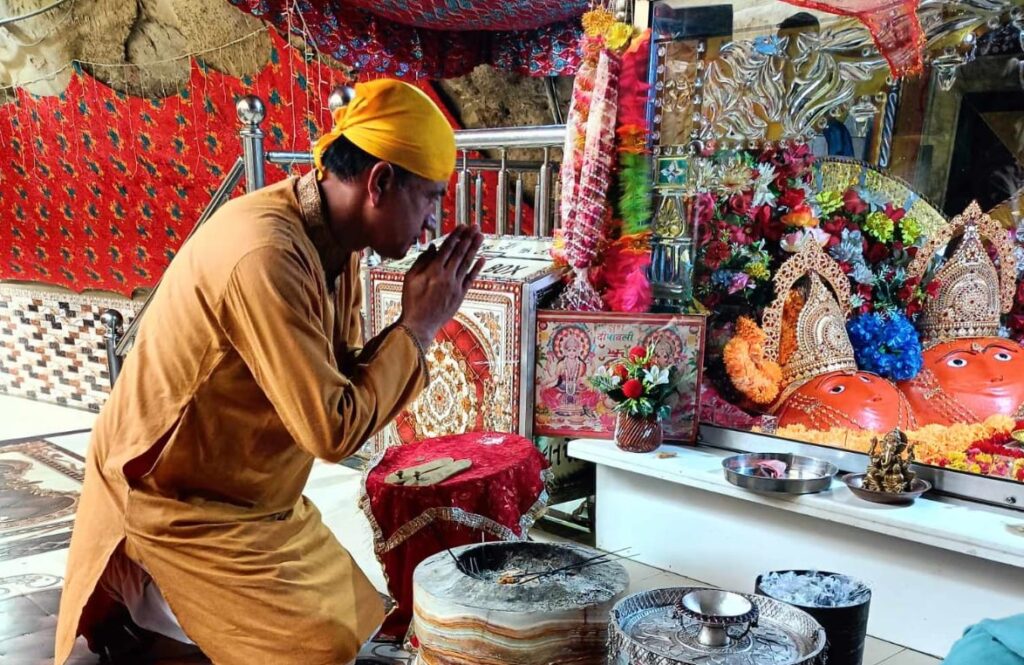
One of the first sacred places I visited was the Panchamukhi Hanuman Temple. This ancient temple is dedicated to Lord Hanuman in his five-faced form, symbolizing strength, devotion, wisdom, courage, and protection. Standing before the deity and offering prayers filled my heart with devotion and gratitude.
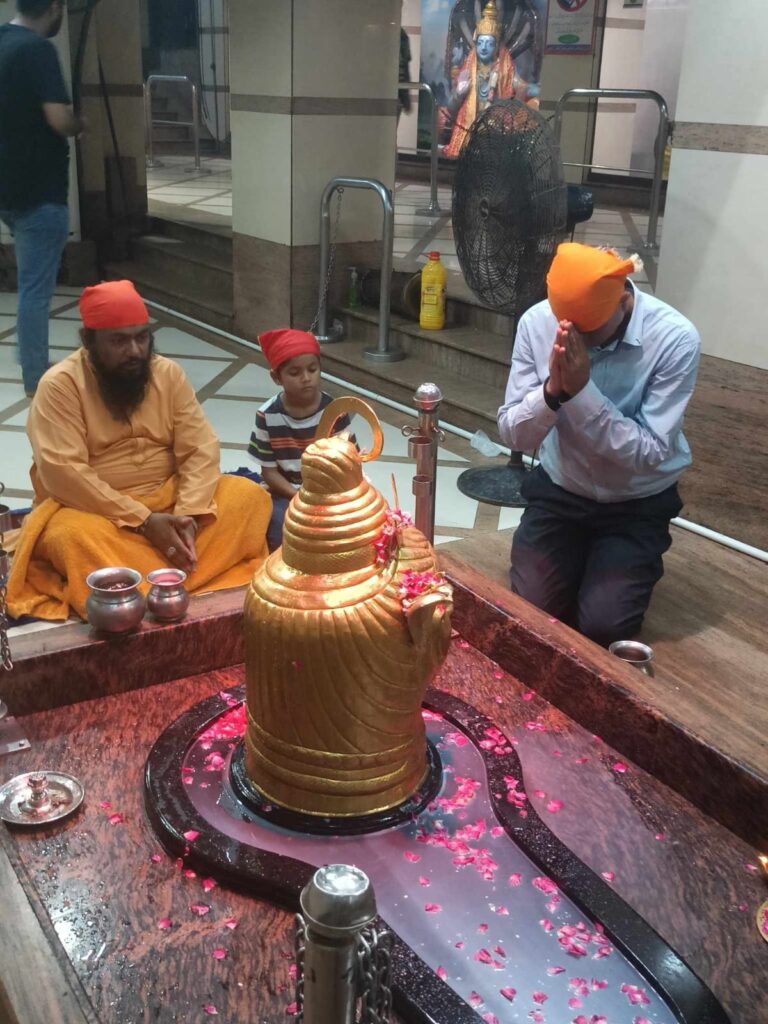
I then visited the historic Ratneshwar Mahadev Temple. Situated near the Arabian Sea, this sacred shrine dedicated to Lord Shiva possesses a unique spiritual atmosphere. The sound of ocean waves combined with the serenity of the temple created an unforgettable experience. I offered prayers and sought blessings from Mahadev for peace and spiritual growth.
Another important stop was the Swaminarayan Temple, one of Karachi’s most prominent Hindu temples. The temple stands as a symbol of the perseverance and faith of the Hindu community in Pakistan.
I also visited the Kali Temple located near the historic Ramaswamy Cremation Ground. The temple is dedicated to Goddess Kali, representing divine power and protection. Offering prayers there reminded me of the eternal strength of Shakti.
My visit to Karachi also included the famous Jhulelal Temple, also known as the Varun Dev Temple, situated near the coast of the Arabian Sea. Revered especially by Sindhi Hindus, Jhulelal symbolizes harmony, devotion, and protection. Standing before the temple overlooking the sea was a spiritually uplifting experience.
The Sacred Pilgrimage to Hinglaj Mata
The most important part of my Pakistan pilgrimage was undoubtedly the journey to Hinglaj Mata in Balochistan.
Located approximately 250 kilometers from Karachi, Hinglaj Mata is one of the most revered Shakti Peethas in the Hindu world. The road from Karachi to Hinglaj is surprisingly good, passing through beautiful landscapes, mountains, and desert terrain.
For this sacred pilgrimage, I was accompanied by my respected Mamashree Shri Ramnath Mishra Ji. Along with us were my Moushi (Sanima and Sanaba) and my cousin Kabir. Their company made the journey both joyful and spiritually enriching.
As we approached the sacred shrine, I experienced a mixture of excitement, devotion, and fear. Deep within my heart, there was a feeling of awe. Being present at one of the holiest Shakti Peethas in the world, located in a remote mountainous region, was an emotional experience that words cannot fully describe.
According to Hindu tradition, Hinglaj Mata is among the sacred places where parts of Goddess Sati’s body fell when Lord Shiva carried her body across the universe. For thousands of years, devotees have travelled through difficult terrain to seek the blessings of the Divine Mother.
Upon reaching the shrine, I performed Darshan and Pujan and offered prayers for world peace, harmony among nations, and the welfare of humanity.
Holy Snan at Anil Kund
Approximately one kilometer from the main Hinglaj Mata Temple lies the sacred Anil Kund.
Pilgrims traditionally perform rituals and purification before proceeding toward the shrine. I had the opportunity to perform holy Snan at Anil Kund. The experience brought immense peace and spiritual satisfaction.
The natural surroundings, combined with the sacred atmosphere, made it one of the most memorable moments of the entire pilgrimage.
Chandra Kund (Chandrakup)
Another significant stop on the Hinglaj pilgrimage route is Chandra Kund, also known as Chandrakup.
This sacred mud volcano has been revered by pilgrims for centuries. According to tradition, devotees confess their mistakes and seek forgiveness before continuing their journey to Hinglaj Mata.
Standing before this unique natural formation in the vast landscape of Balochistan inspired deep reflection about life, faith, and personal growth.
Journey Through Punjab: Sacred Sikh and Hindu Heritage
After completing my pilgrimage in Karachi and Balochistan, I continued my journey independently through Punjab and other regions of Pakistan.
One of my first destinations was Gurudwara Shaheed Ganj and Singhania in Lahore. These sacred sites commemorate Sikh martyrs who sacrificed their lives to protect their faith and principles. Paying my respects there was both emotional and inspiring.
From Lahore, I proceeded to Kartarpur Sahib, one of the holiest sites in Sikhism. This is where Guru Nanak Dev Ji spent the final years of his life.
The atmosphere at Kartarpur Sahib is truly extraordinary. Pilgrims from across the world come here to seek blessings and connect with the teachings of Guru Nanak Dev Ji. Bowing my head at this sacred place was one of the highlights of my journey.
A Birthday Blessing at Nankana Sahib
The most unforgettable day of my pilgrimage was 26 June 2024, my birthday.
On that morning, I arrived at Nankana Sahib, the birthplace of Guru Nanak Dev Ji. At approximately 3:30 AM, I became the first pilgrim to enter and bow my head before the sacred shrine that day.
For me, this was one of the greatest blessings and fortunes of my life.
Standing in the birthplace of Guru Nanak Dev Ji on my birthday was a deeply emotional and spiritual experience. I felt immense gratitude and divine grace.
The blessings continued when the Head Granthi of Nankana Sahib kindly arranged special prayers and recitations in honor of my birthday. Receiving blessings at the birthplace of Guru Nanak Dev Ji on such an important day remains one of the most treasured moments of my life.
Malji Gurudwara and Sacha Sauda
On the same day, I visited Malji Gurudwara and Sacha Sauda Gurudwara.
At both sacred places, I bowed my head and paid my respects. Since it was my birthday, the Granthis also offered special prayers and blessings.
Sacha Sauda is particularly significant because it commemorates the famous event when Guru Nanak Dev Ji used money given for business to feed hungry people. He described this act of compassion as the “True Business.”
The teachings represented by Sacha Sauda continue to inspire people around the world, emphasizing service, generosity, and humanity.
Katas Raj Kund: A Sacred Birthday Snan
The blessings of my birthday continued when I reached Katas Raj.
Katas Raj is among the most important Hindu pilgrimage sites in Pakistan. According to ancient tradition, the sacred Katas Raj Kund was formed from the tears of Lord Shiva following the death of Goddess Sati.
On my birthday, I had the extraordinary opportunity to perform holy Snan in the sacred Kund.
The experience was deeply moving. As I immersed myself in the holy waters, I reflected upon faith, devotion, and the blessings that had guided my life.
Offering Sacred Waters and Rudraksha at Katas Raj Mahadev Temple
Following the holy Snan, I visited the Katas Raj Mahadev Temple.
This moment became one of the most spiritually significant experiences of my pilgrimage.
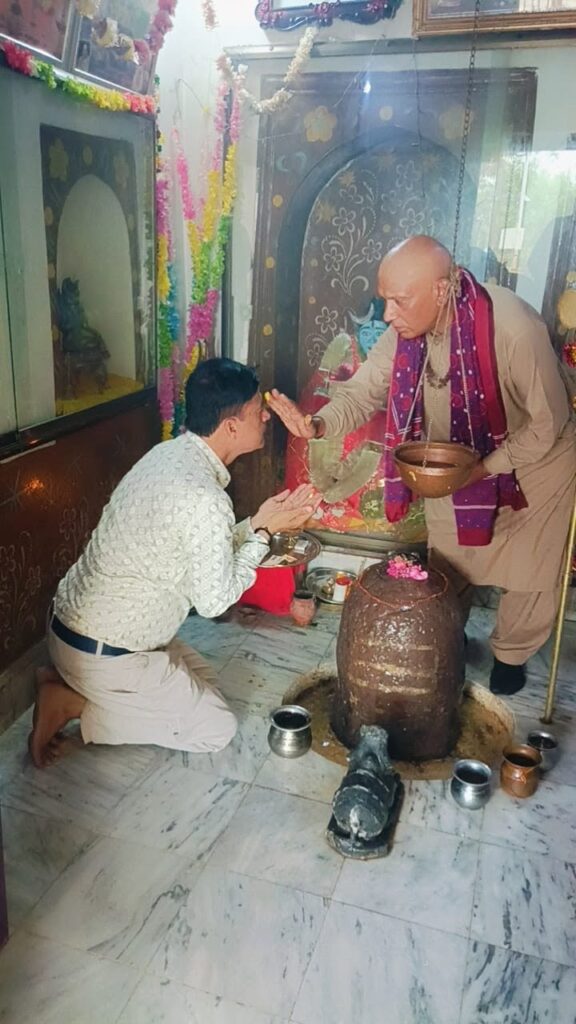
I had carried sacred water from Kailash Mansarovar, Gangotri, Yamunotri, and Muktinath. At the temple, I offered these holy waters to Lord Shiva as a symbol of devotion and reverence.
In addition, I offered a 108-bead Rudraksha Mala that I had brought from Kathmandu.
Performing Abhishek with sacred waters collected from some of the most revered pilgrimage sites of the Himalayas and offering the Rudraksha to Lord Shiva at Katas Raj created a unique spiritual connection between sacred sites across South Asia.
Krishna Temple, Rawalpindi
My journey also included a visit to the historic Krishna Temple in Rawalpindi.
The temple remains an important center of worship and represents the enduring Hindu heritage of the region.
I offered prayers to Lord Krishna and reflected upon the teachings of the Bhagavad Gita and the principles of righteousness and devotion.
Panja Sahib and Holy Snan
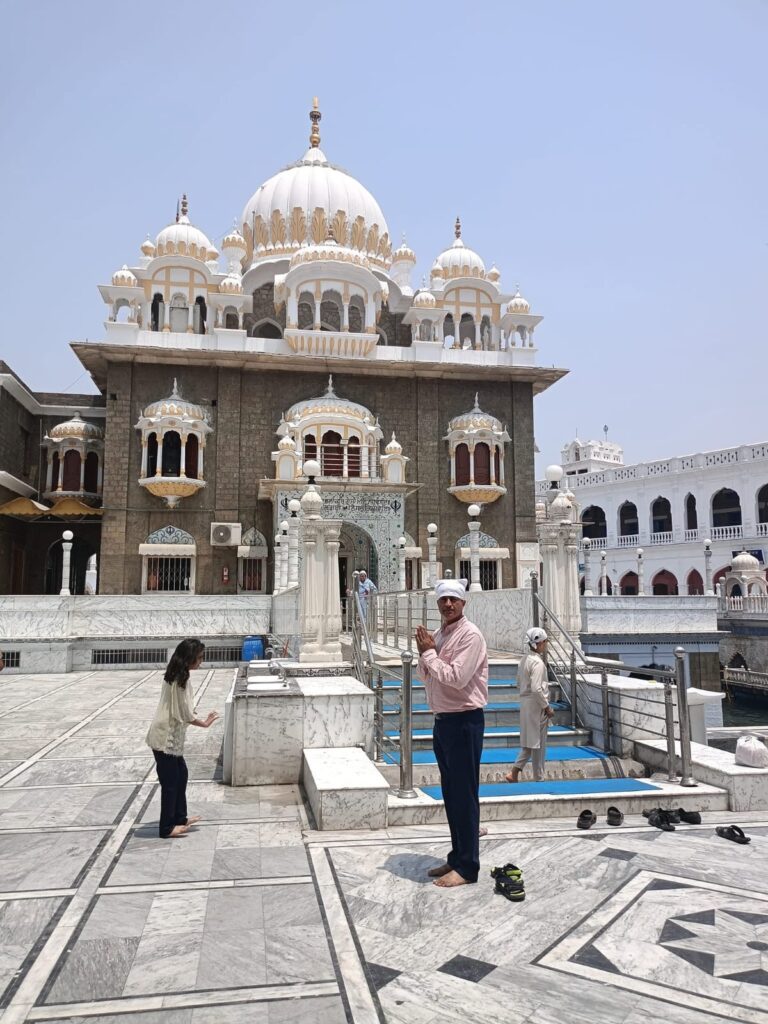
On 27 June 2024, I visited Panja Sahib, one of the most revered Sikh pilgrimage sites in the world.
Before entering the Gurudwara, I performed holy Snan in the sacred Panja Sahib Kund.
The holy waters and peaceful environment created a profound spiritual experience.
Afterward, I entered Gurudwara Panja Sahib and bowed my head in reverence. The site is associated with a miracle performed by Guru Nanak Dev Ji and remains one of the most sacred destinations for Sikhs worldwide.
Taxila: Exploring an Ancient University
Following my visit to Panja Sahib, I travelled to Taxila in Khyber Pakhtunkhwa Province.
Taxila was one of the oldest universities in human history and a renowned center of learning more than two thousand years ago.
Scholars from various regions studied subjects such as medicine, philosophy, politics, military science, and linguistics here. Great figures including Chanakya and Panini are associated with Taxila’s intellectual tradition.
Walking through the archaeological ruins and studying the remains of this ancient educational center provided valuable insights into South Asia’s rich academic and cultural heritage.
The visit reinforced my belief that spiritual and intellectual development go hand in hand.
Meeting the Ambassador of Nepal to Pakistan
After completing my visit to Taxila, I returned to Islamabad on the evening of 27 June 2024.
There, I had the honor of meeting His Excellency Tapas Adhikari, Ambassador of Nepal to Pakistan, at his official residence.
His Excellency warmly welcomed me and graciously hosted a dinner in my honor. We discussed my pilgrimage journey, cultural relations between Nepal and Pakistan, and the shared heritage of South Asia.
The hospitality extended by the Ambassador made the conclusion of my journey especially memorable.
Return to Nepal
As my journey came to an end, I departed from the Ambassador’s residence at approximately 11:00 PM on 27 June and proceeded to Islamabad International Airport.
During the night, I boarded my flight via Dubai and began my journey home.
On 28 June 2024, I arrived safely in Kathmandu, carrying with me unforgettable memories, spiritual blessings, valuable historical knowledge, and a deeper appreciation of the shared heritage of South Asia.
Conclusion
My pilgrimage across Pakistan from 19 June 2024 to 28 June 2024 was far more than a journey between sacred places. It was a journey of faith, learning, reflection, and cultural understanding.
From the divine blessings of Hinglaj Mata in Balochistan to the sacred birthsite of Guru Nanak Dev Ji at Nankana Sahib; from the holy waters of Anil Kund, Katas Raj Kund, and Panja Sahib to the ancient wisdom preserved in Taxila University; every destination enriched my spiritual and intellectual life.
Celebrating my birthday at Nankana Sahib, receiving blessings from respected Granthis, performing Snan at Katas Raj, offering sacred Himalayan waters and a 108-bead Rudraksha to Lord Shiva, and concluding the journey with a meeting with the Ambassador of Nepal to Pakistan made this pilgrimage truly extraordinary.
This journey strengthened my conviction that the spiritual heritage of South Asia transcends borders and continues to unite people through faith, history, culture, and mutual respect.
Pradeep Khanal , Kathmandu

















प्रतिक्रिया दिनुहोस्